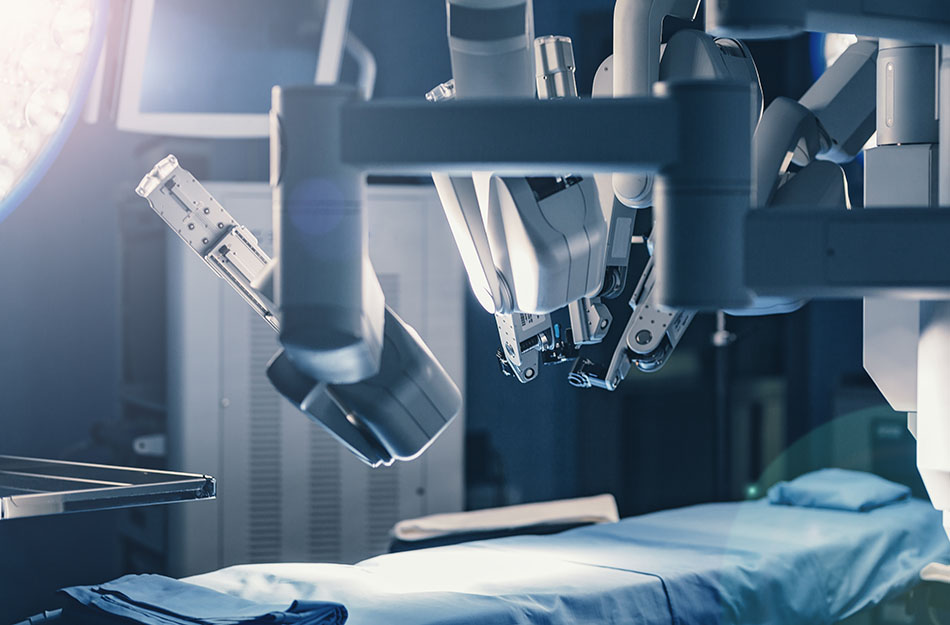
Surgical interventions are always a cause of stress and concern, especially for people who’ve never been through one. However, modern medicine has changed drastically over the last decades, which includes the way we perform surgeries.
Minimally invasive practices are now widespread and used in numerous fields with great success. Laparoscopic and robot-assisted interventions are preferred by patients and widely recommended by professionals as better alternatives to traditional surgical interventions. But why?
Here are the main benefits of robotic and laparoscopic surgery to consider:
- Less tissue damage and scarring
Traditional surgical interventions typically rely on larger incisions, which cause more extensive tissue trauma. Subsequently, this leads to larger and more visible scarring, which is an aesthetic problem but nonetheless a problem.
Because it only relies on small incisions, minimally invasive procedures don’t produce large scars. In some cases, they are barely visible.
- Fewer complications
Post-surgery complications were fairly common with traditional surgeries. Some of these complications include excessive bleeding, nerve damage, local infections, and extensive post-intervention pain. These risks are drastically reduced with minimally invasive procedures.
This is only possible due to the minimal tissue trauma, which allows for fast recovery and minimizes the risk of infection.
- Decreased bleeding and swelling
Laparoscopic and robot-assisted surgeries rely on smaller cuts, causing considerably less local tissue damage and bleeding. As a result, the wounds will heal faster and be less likely to swell up.
- Less post-procedure discomfort
Surgeries are typically not painful during the procedure itself. That’s because, in most cases, you’ll be under general anesthesia. However, the postoperative period can cause significant local and general discomfort and pain. This is no longer the case with minimally-invasive procedures.
Laparoscopic interventions only produce minor incisions, which come with less local pain. You will recover faster and experience less discomfort in the process.
- Faster recovery rates
Nobody wants to be bedridden for weeks after a surgical intervention, and this is where minimally invasive procedures come in. These procedures significantly reduce the recovery time, allowing you to reach your full potential faster than ever.
This wasn’t previously possible with traditional surgical interventions, primarily because of the extensive tissue damage due to the larger incisions. This is no longer a problem with laparoscopic and robot-assisted interventions.
- Decreased hospitalization time
Naturally, everybody wants to recover at home, if possible, especially following a more strenuous surgical intervention. However, that’s not always possible. Most surgical operations require some post-op hospitalization to keep the patient stable and monitor the recovery rate.
Fortunately, minimally invasive procedures reduce hospitalization time drastically. This allows you to return to your loved ones sooner, which data shows is more conducive to a faster overall recovery anyway.
Can you opt for a minimally-invasive procedure?
Doctors always recommend minimally invasive procedures whenever possible, and these are the keywords. That’s because it’s not always possible to opt for a minimally-invasive procedure, depending on the issue you’re facing, its severity, your overall health, etc.
These are details that you need to discuss with your specialist before deciding what works best for you.