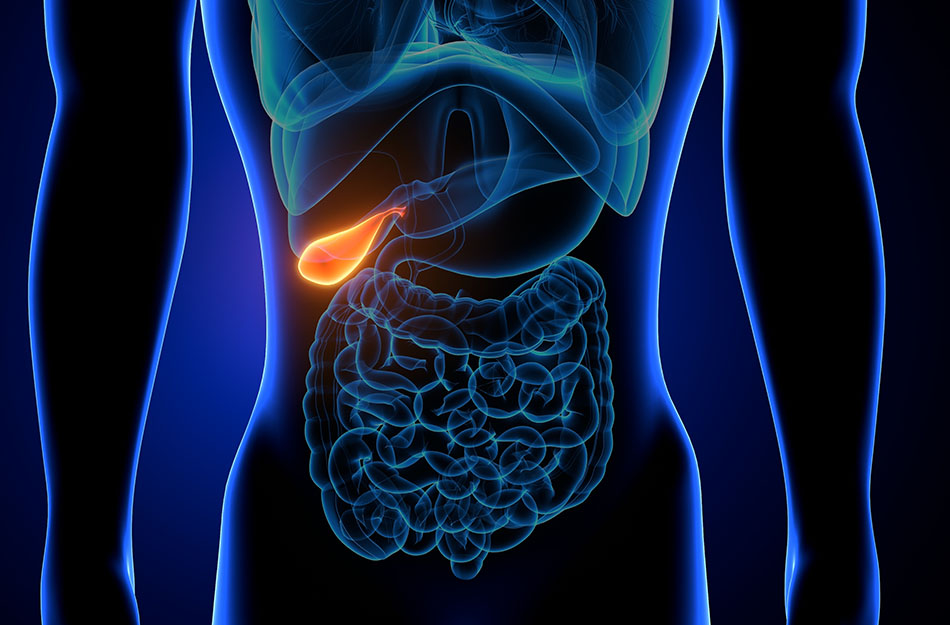
Did you know that close to 25 million Americans have gallbladder disease? Or that this number seems to increase in North America and Europe, despite the wide availability of modern treatment methods? This shows a concerning trend in triggers, with sedentarism and poor diets being common predictors.
Gallbladder disease has many factors, including genetic and medication side effects, and some of these cannot be avoided. But some can be, such as obesity, sedentarism, and high-fat, low-fiber diets.
But how do you know if you have gallbladder disease? Here are five common signs that should raise an alarm signal.
- Belly and back pain
This is among the most common signs of gallbladder disease and one to set in early. Most patients experience acute and sharp pain in the upper abdominal area on the right side. The pain isn’t clearly located, as it sometimes appears on the right side, while sometimes it is more evident near the belly button.
Some patients even describe sharp pain between or below the shoulder blades, which typically radiates from the abdominal area.
- Nausea
Nausea and vomiting, or just nausea, are common symptoms associated with gallbladder disease. This symptom is more prevalent in patients with chronic gallbladder disease, as they experience reflux and indigestion frequently.
Recurrent vomiting can also lead to dehydration, headaches, and mineral depletion, in which case professional assistance is necessary. Always consult your specialist if you’re experiencing unexplained nausea or vomiting for more than a day. Especially when corroborated with abdominal or back pain.
- Diarrhea
This symptom goes hand in hand with the previous one to accelerate dehydration and cause additional health issues. Gallbladder disease often causes indigestion, which can manifest as diarrhea or overly frequent bowel movements.
If you can’t make sense of your abnormal bowel movements, contact your doctor immediately. A swift consultation may tell you everything you need to know about your condition.
- Yellow skin and eyes
This symptom is caused by bilirubin, which is the yellow pigment produced by the bile. The problem is that the bile duct is often blocked in the case of patients with gallbladder disease, which effectively redirects the bilirubin into their bloodstream.
From there, the bilirubin becomes visible in all vascularized areas, causing a condition called jaundice. This is one of the most telling signs of gallbladder disease. Ideally, you want to act before jaundice sets in and seek professional help when experiencing pain, nausea, and acidic reflux.
- Abnormal coloring of the stool or urine
This is also a direct effect of gallbladder disease due to the blocked bile duct. Once again, it’s the bilirubin that’s at fault. This causes your stool and urine to become lighter in color with a yellow tint.
This may be more difficult to notice in the case of urine, but it should be clearer in the stool’s appearance.
Seek help now!
Gallbladder disease can take many forms on a severity scale. Some cases are mild and come with no symptoms, while others are more severe and demand immediate intervention. It’s always better to act fast at the first sign that something’s wrong to prevent the condition from aggravating.